Mouse Population Dynamics
Client: NSW Department of Primary Industries and Regional Development
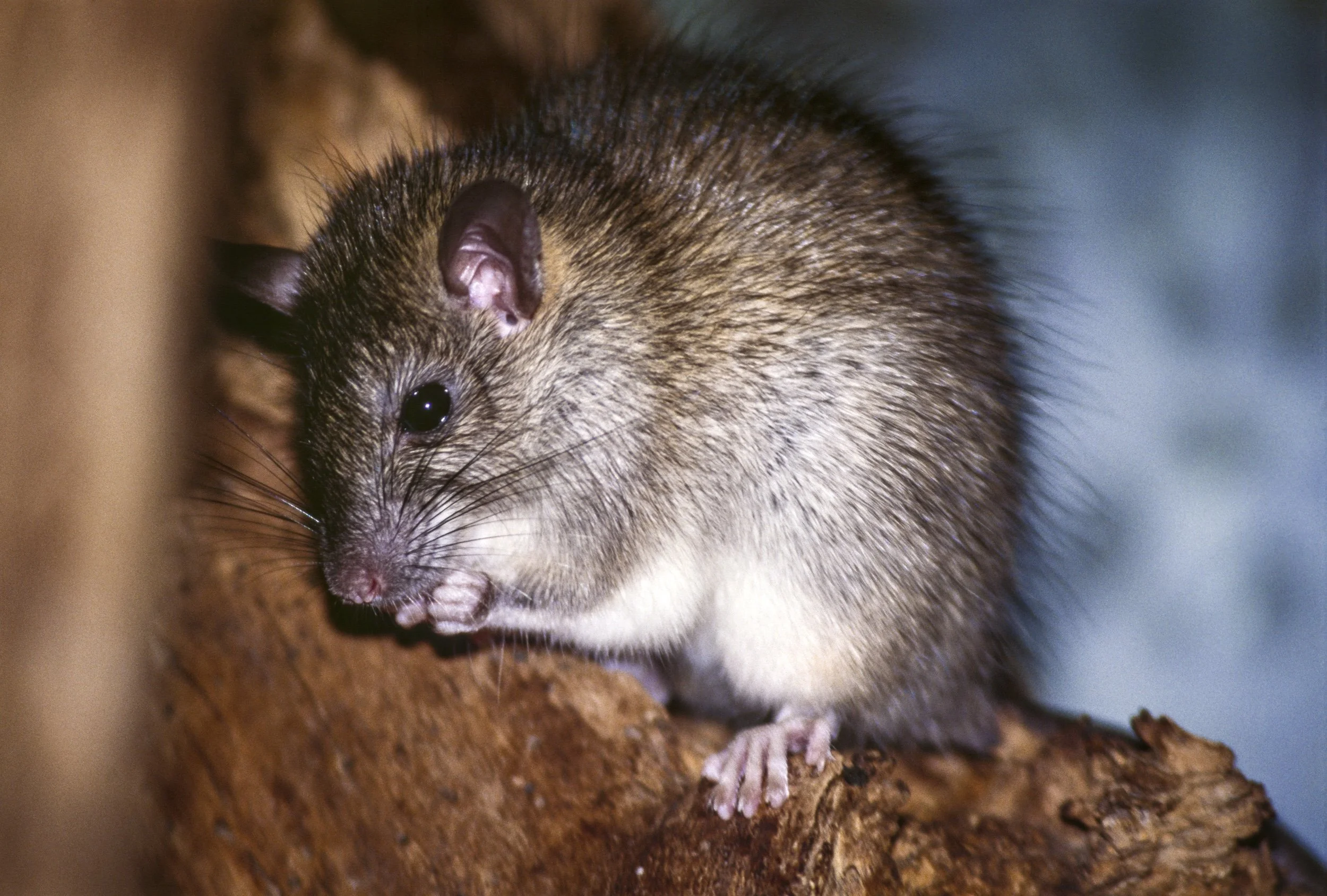
House mice (Mus musculus) cause serious crop damage during periodic "mouse plague" outbreaks in Australian farming regions. Predicting these outbreaks is hard because mouse populations respond to a mix of environmental and land-use factors.
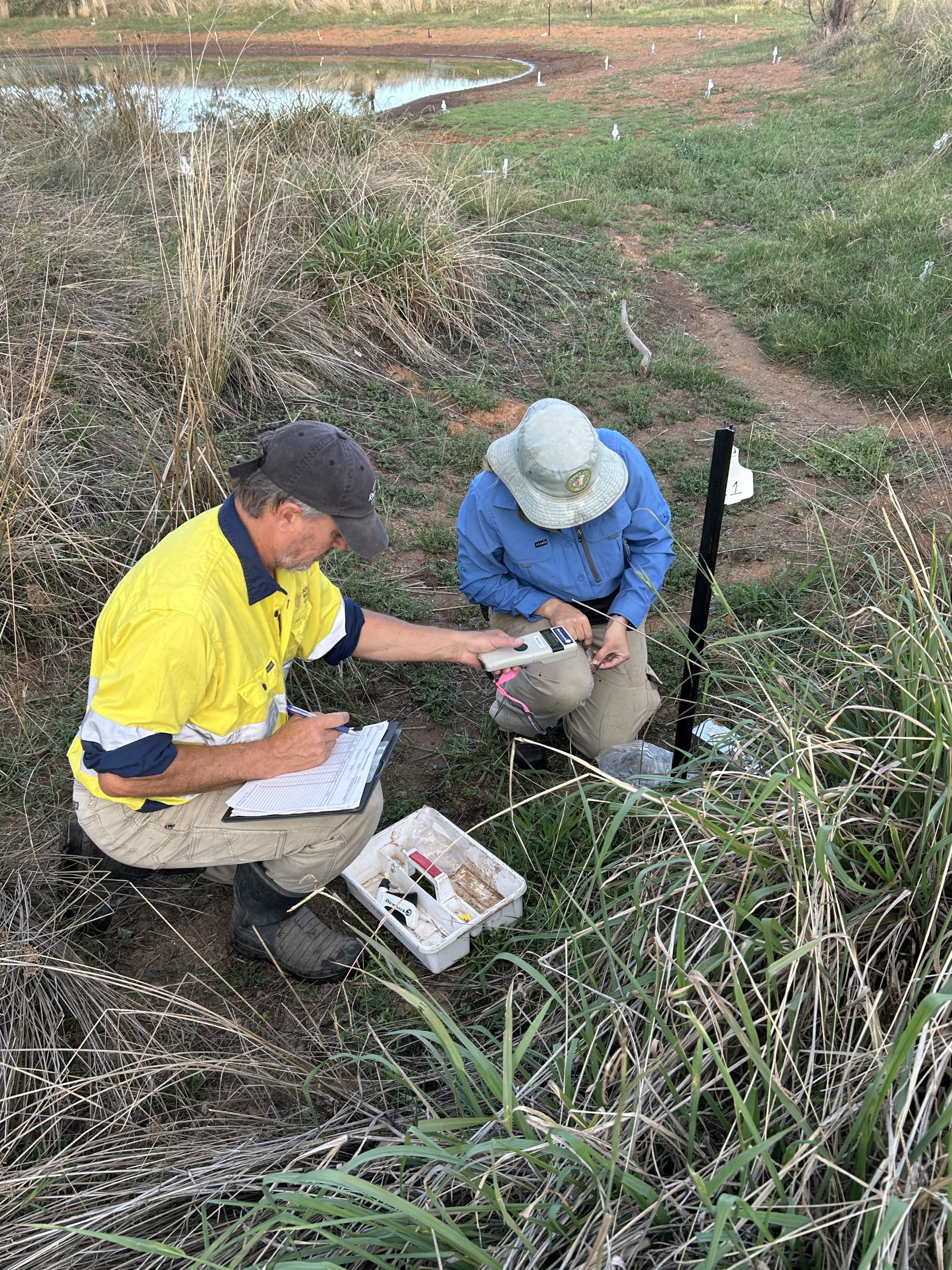
We estimated mouse survival, recruitment, and population density across several farms, comparing crop and pasture habitats and accounting for factors like rainfall and predator activity.
Outcome: Mice survived better in pastures, while recruitment was higher in crops, and predator activity reduced survival. These findings helped guide more targeted monitoring and pest management strategies.
Method: Hierarchical Bayesian mark-recapture modelling, incorporating a spatial component to account for effective sampled area, which was needed to estimate density more accurately.