Rat removal from Miramar Peninsula
Client: Predator Free 2050 Limited
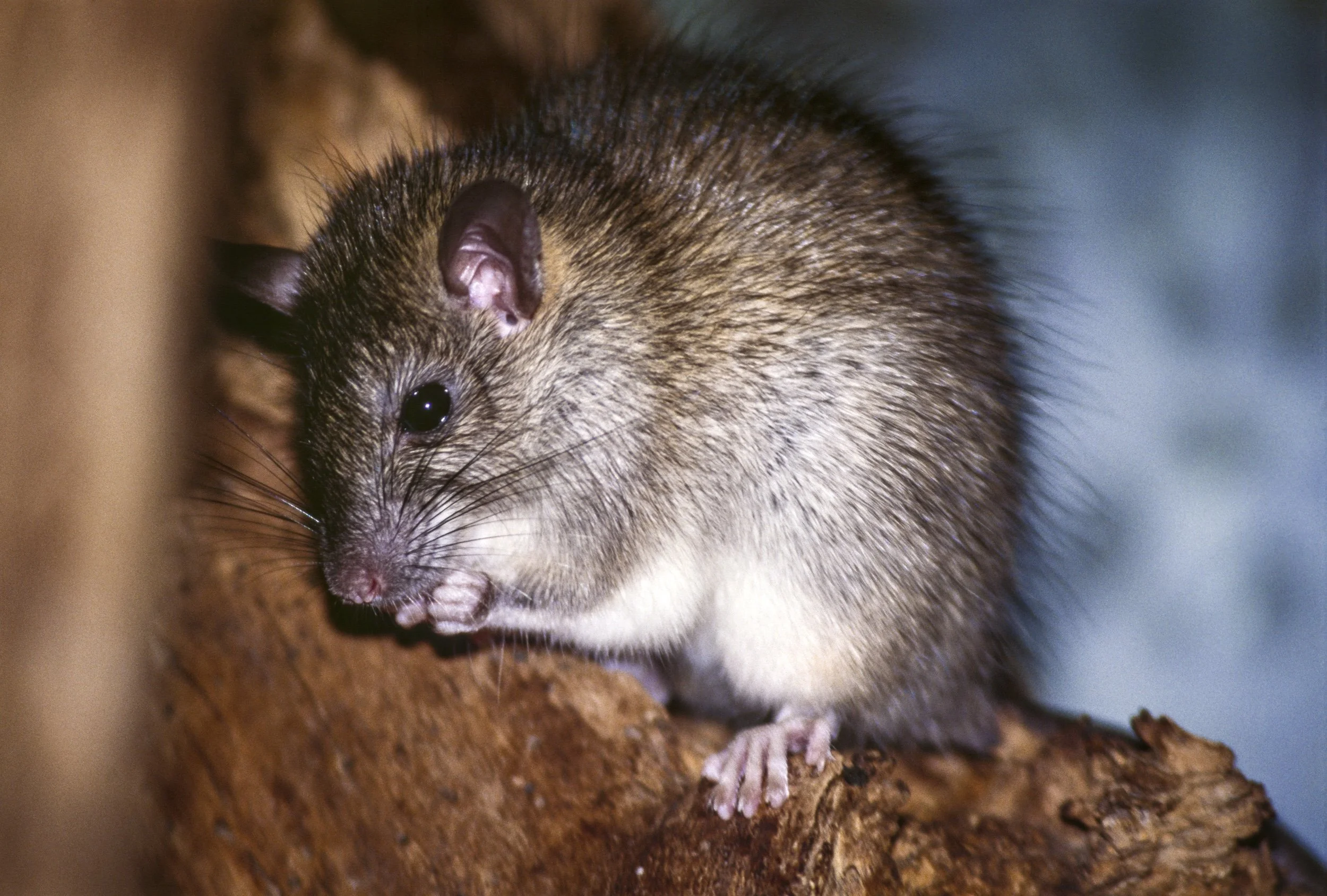
Predator Free Wellington ran a programme to eradicate ship and Norway rats (Rattus rattus and Rattus norvegicus, respectively) from Miramar Peninsula. It faced a key question: when traps and cameras stop detecting rats in an area, does that mean the rats have actually been removed, or are they still present but going undetected?
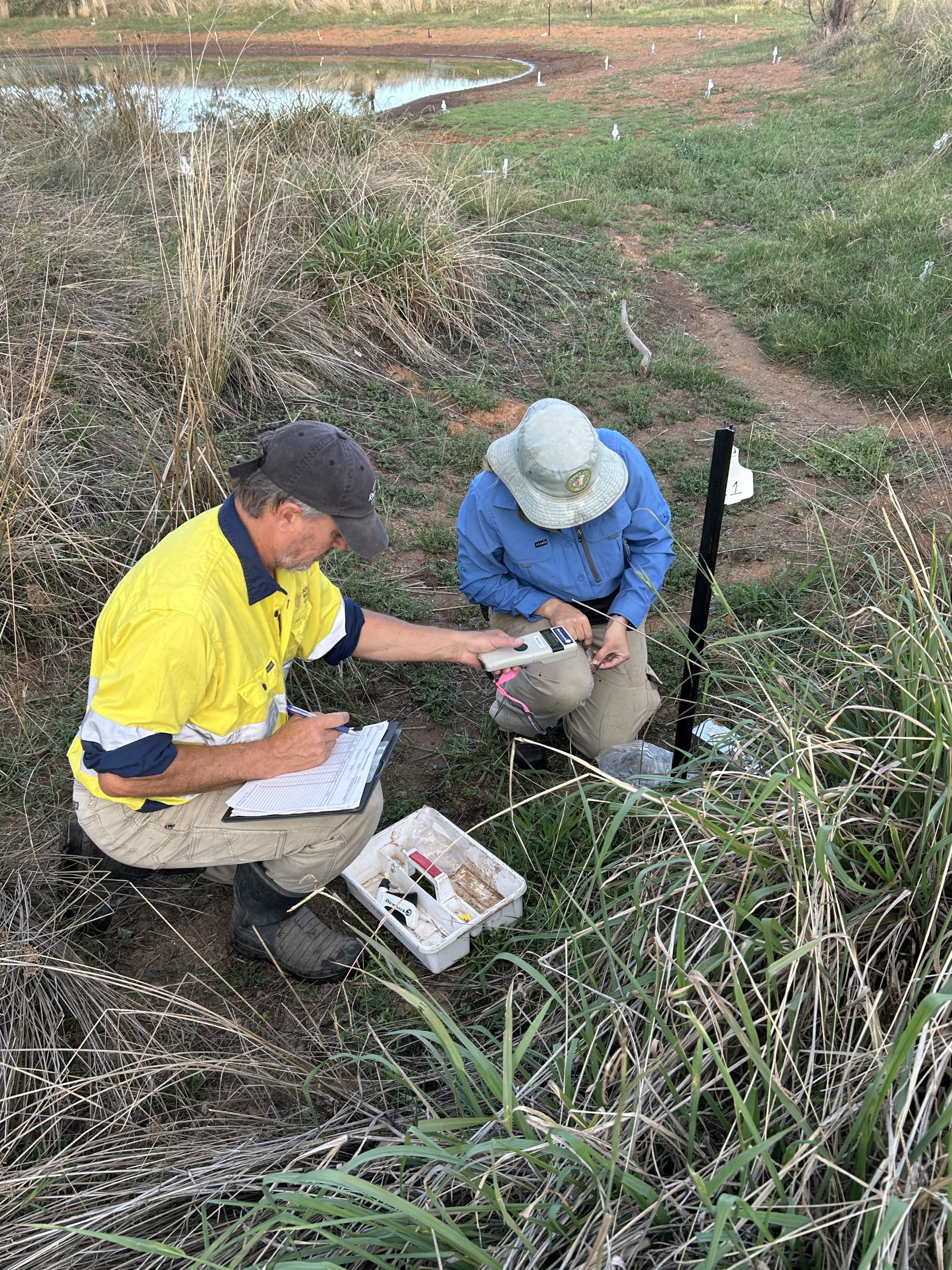
We divided the peninsula into a 1-ha grid and modelled monthly rat presence at the level of each grid cell, from January 2021 to March 2024. Detections came from trail cameras, bait stations, and kill traps, and we accounted for the fact that no single device type detected every rat that was present.
Outcome: Estimated rat presence stayed below 10% from August 2023 onward. Our analysis showed how many months of zero detections would be needed to confidently declare local eradication, or as the team came to call it: potential eratication. It informed how long the programme continued monitoring.
Method: Multi-season occupancy modelling in a Bayesian framework, applied at the grid-cell level (1-ha cells), with device-specific detection probabilities and spatial and temporal random effects.