Bat Activity Modelling for Wind Farm Planning
Client: Davidson-Watts Ecology (Pacific) Limited
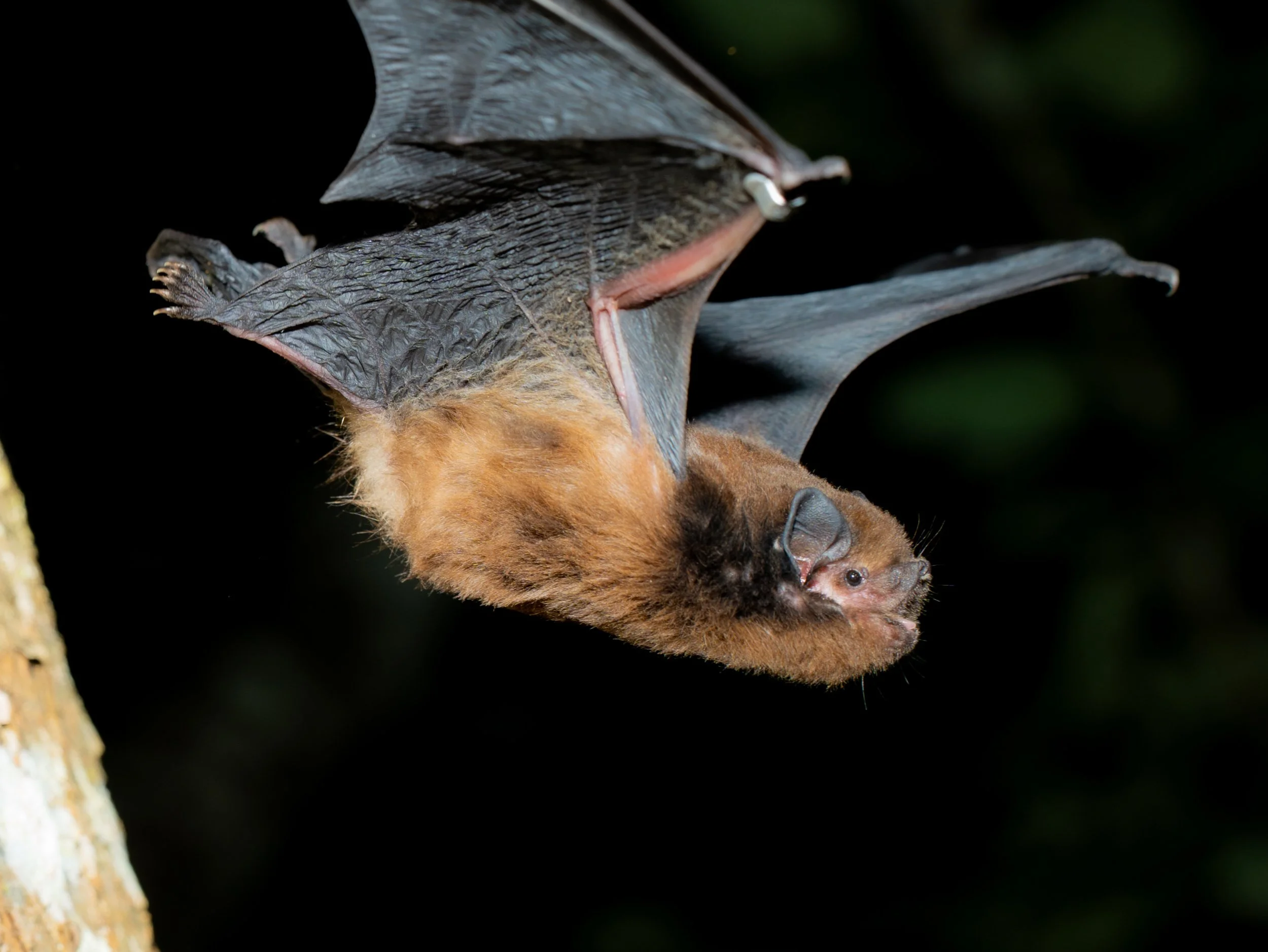
Davidson-Watts Ecology (Pacific) Limited collected data was engaged by a developer who was applying for a proposed wind farm under New Zealand's Fast-track Approvals Act. Our client needed to understand activity patterns of the native long-tailed bat (pekapeka; Chalinolobus tuberculatus) at the site as part of that assessment. Acoustic detections of bats were infrequent and highly variable, making it hard to draw firm conclusions from the raw data.
We analysed acoustic monitoring data across multiple sites and time periods, modelling both the likelihood of bat presence and the rate of activity when bats were present, accounting for factors like elevation, habitat, weather, and time of night.
Outcome: Our analysis fed into a Bat Management Plan, setting out measures to avoid, remedy, and mitigate risks to the bat population. These measures were written into the project's consent conditions.
Method: Regression-based analyses applied to acoustic monitoring data, at hourly and nightly resolution.