Braided River Invertebrate Monitoring
Client: Department of Conservation, New Zealand
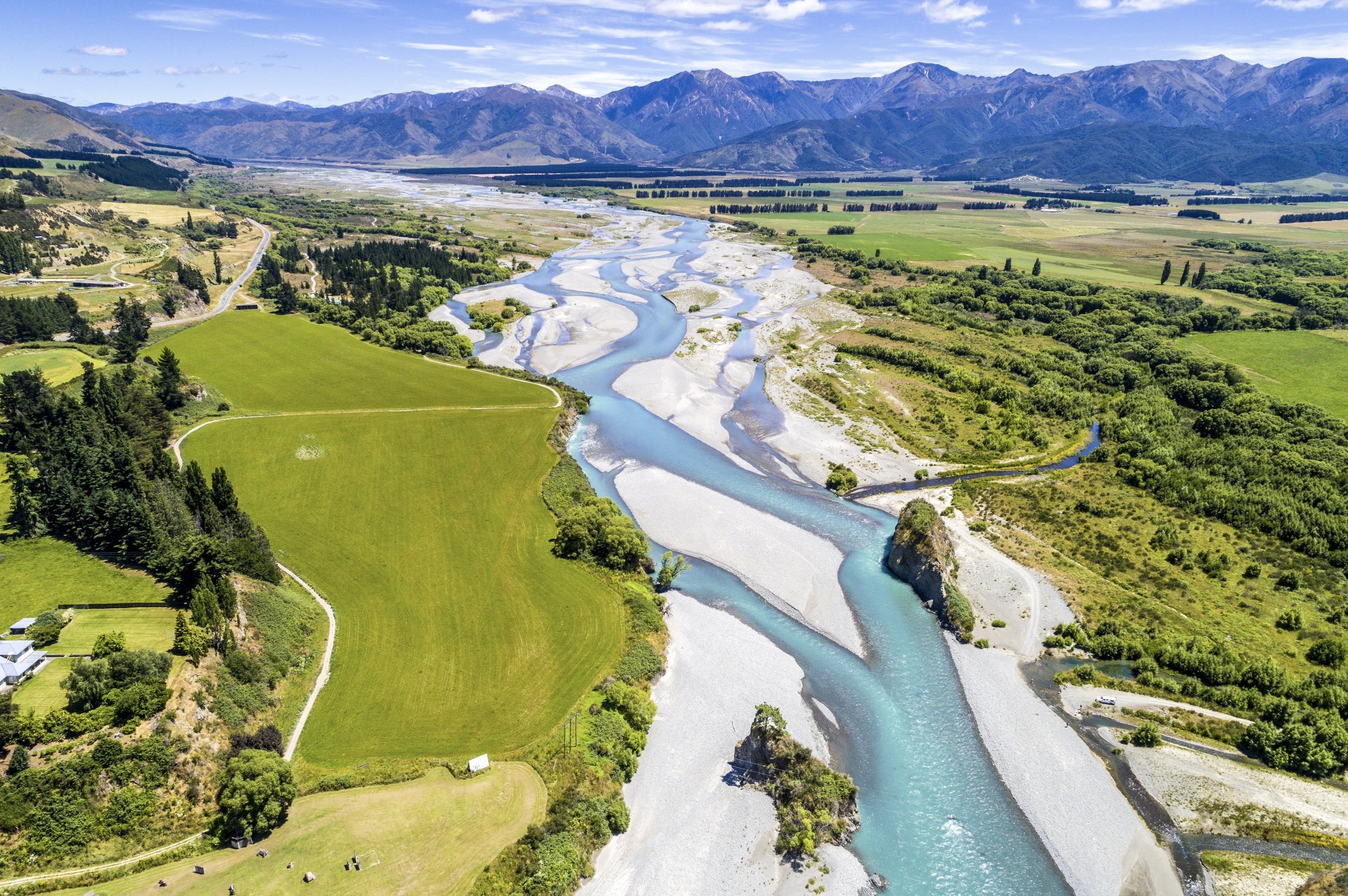
A monitoring programme needed to assess invertebrate biodiversity across two braided river systems, but low detection rates and inconsistent survey effort risked undercounting species that were actually present.
We modelled species presence over four years, accounting for imperfect detection, using a multi-species occupancy modelling approach. Rather than calculating species richness and diversity directly from raw counts, we derived them from the occupancy model's output. This meant our richness estimates and Shannon and Simpson diversity indices accounted for species likely present but not detected, rather than understating biodiversity at sites where detection was harder. We also assessed how much extra survey effort would improve detection of rare species.
Outcome: One site showed higher species richness and diversity than the other. We recommended increasing survey effort at the lower-performing site to produce a more balanced, reliable comparison.
Method: Multi-season, multi-species occupancy modelling, with species richness and Shannon and Simpson diversity indices derived from the model's detection-adjusted output.